Elevate Your Home With Expert Design Services
Advancing a home through professional architecture services involves more than just visual elements. It involves a deep understanding of usable design and local building codes. Engaging an veteran architectural professional can tackle common challenges while enhancing property value. The process is strategic and exhaustive, promising that every detail harmonizes with the homeowner's expectations. Yet, many homeowners encounter challenges to navigate this journey competently. What steps can they take to cement a successful partnership?
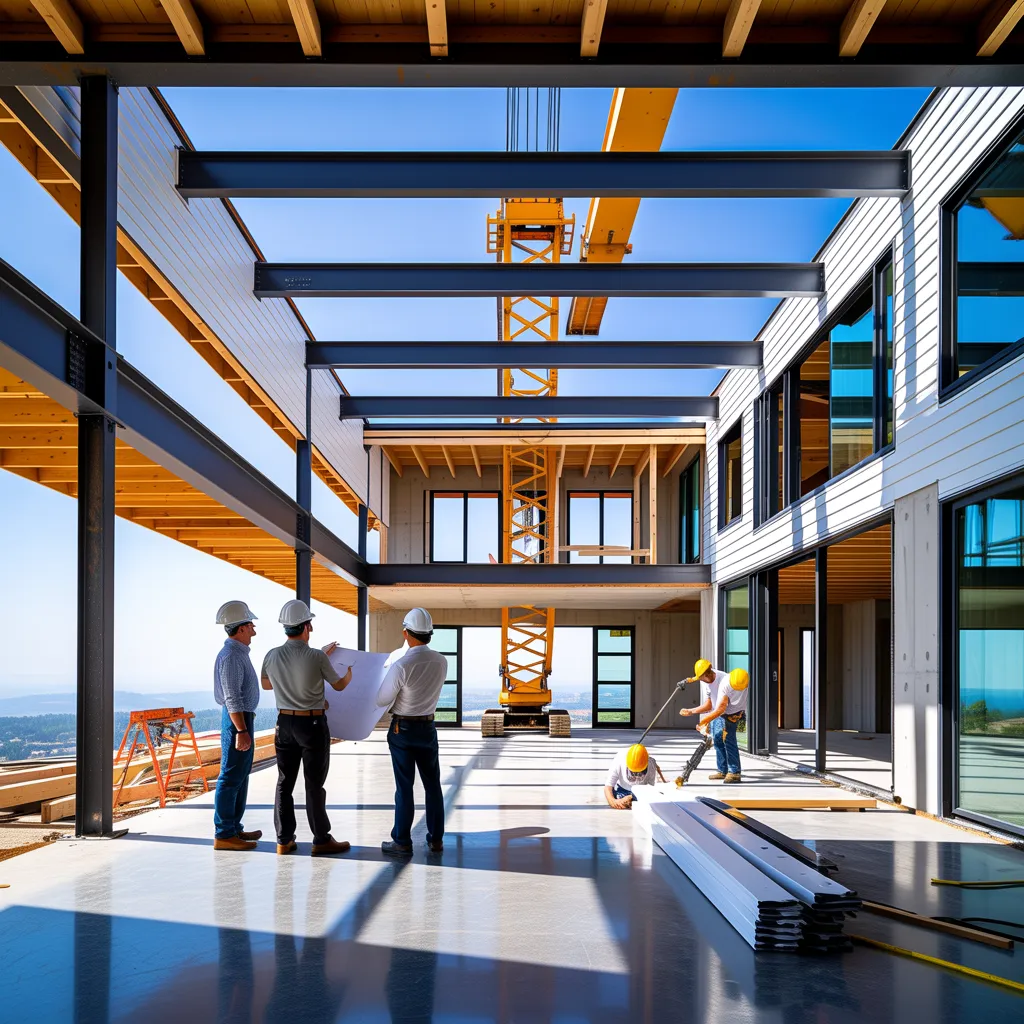
Standard Home Design Complications and Strategies Architects Resolve Them
What makes home design so difficult for many homeowners? The intricacy of balancing aesthetic preferences with functional needs often frustrates them. Homeowners frequently grapple with spatial constraints, budget limitations, and regulatory requirements, hindering the design process. Additionally, many lack the specialized knowledge needed to handle structural considerations and building codes.
Architects fulfill an essential role in alleviating these challenges. Their instruction equips them to navigate the complexities of planning, confirming that a homeowner's vision aligns with realistic facts. Architects can provide creative solutions to improve space while adhering to safety standards. They also assist in creating integrated designs that reflect the homeowner's style. By communicating understanding into materials and building techniques, architects support expedite the decision-making process. In conclusion, their expertise converts a potentially daunting project into a cooperative undertaking, fostering a harmonious balance between creativity and usefulness in home design.
Perks of Hiring a Professional Architect
Collaborating with a experienced architect improves the residential design process by combining specialized insight with the owner's goals. Architects contribute a broad range of expertise in design standards, construction regulations, and eco-friendly methods, confirming that the development not only achieves aesthetic goals but also complies with requirements. Their skill in envisioning and express sophisticated thoughts helps in translating theoretical ideas into physical blueprints.
Furthermore, architects can provide innovative approaches to design barriers, perfecting layout and functionality. They also coordinate the complications of the building process, coordinating with contractors and suppliers to copyright budgets and timelines are observed. This professional direction curtails mistakes and reduces the worry associated with home construction or renovation. In conclusion, engaging with an architect results in a thoughtfully designed, cohesive space that captures the homeowner's character while advancing overall property worth.
What Represent the Important Phases in the Architectural Workflow?
What is the way the building design process progresses from concept to completion? The progression begins with an first meeting, where the architect and customer address goals, needs, and budget. This phase is important for establishing a well-defined direction. Subsequently, the designer conducts site analysis, examining factors like topography, climate, and zoning regulations.
After this, the design phase starts. In this phase, sketches and digital models are produced, allowing the client to imagine the project. When the design is finalized, the architect assembles thorough construction blueprints, including specifications and drawings.
With required permits secured, the project moves into the construction phase. The architect regularly collaborates with contractors to guarantee that the plan is implemented correctly. Regular on-site inspections and assessments help maintain standards and compliance to the initial vision. Finally, the project culminates in a inspection, confirming that the finished structure meets the client's requirements before the official transfer.
How Do You Locate the Perfect Architect for Your Home?
Discovering the right professional for your home demands thoughtful consideration and study. Prospective residents should start by identifying their specific needs and spending limit, which will shape their search. Advice from peers, relatives, or real estate specialists can supply valuable opportunities. Online galleries and reviews support assessing an designer's previous work and customer satisfaction.
Next, interested parties should consult with multiple prospects to evaluate their manner of speaking, experience, and design approach. It's crucial to cover project timelines and client expectations to confirm agreement. Moreover, verifying credentials and reviewing relevant licenses and certifications can avoid potential issues down the line.
In conclusion, property owners should believe in their instincts. The ideal architect should not only exhibit the required skills but also correspond to the homeowner's vision and values. This synergy generates a cooperative setting, in due course achieving a productive alliance in fashioning a dream home.
Strategies for Sharing Your Vision Efficiently
Effectively communicating a concept for residential design is essential for a successful collaboration between property owners and design professionals. To accomplish this, homeowners should important resource begin by distinctly defining their needs and tastes. Developing a mood board with photographs, hues, and finishes can help expressing visual preferences. Additionally, outlining practical requirements, such as space dimensions and layout, guarantees that the architect comprehends practical elements.
Property owners should also take part in frank discussion, encouraging questions and feedback to improve their vision. Frequent meetings throughout the planning phase encourage collaboration and transparency. Using straightforward language to express thoughts and worries can avert misunderstandings and help match goals.
Finally, remaining open to the architect's knowledge enables a more vibrant dialogue. By merging personal vision with professional insight, homeowners can foster a productive partnership that leads to a beautifully designed space reflecting their aspirations.
How to Budget for Architecture Services
While starting a home design project, setting a budget for architecture services is crucial to avoid monetary hardship later. Homeowners should begin by investigating typical fees in their area, which can vary based on the project's complexity and the architect's experience. It is advisable to allocate a percentage of the overall project cost specifically for architectural services, typically ranging from 5% to 15%.
Next, potential clients should review the scope of services needed—whether they want complete design and project management or simply preliminary consultations. Participating in open dialogue with prospective architects regarding their fee structures can bring clarity on expenses.
Additionally, property owners should account for possible expenses and revisions, creating a buffer in the budget. By clearly defining their monetary limits upfront, clients can verify they choose an design expert who aligns with their objectives while adhering to their financial limits.
Common Inquiries Asked Regularly
What Options of Structural Style Can I Pick for My Home?
Homeowners may pick from various building designs, including modern, traditional, colonial, Mediterranean, and contemporary. Each style offers unique appearance and utility, allowing individuals to demonstrate personal taste while accounting for regional influences and environmental factors.
What Length of Time Does the Design Development Process Normally Entail?
The architectural procedure typically demands a number of months, depending on project complexity, approval requirements, and local ordinances. Components such as client feedback and construction schedules can also influence the timeline greatly across the duration.
Can Design specialists Contribute To Environmentally conscious Development Choices?
Architects can truly support with sustainable design options. They integrate environmentally responsible materials, efficient energy systems, and innovative layouts, guaranteeing projects minimize environmental impact while enhancing functionality and aesthetic appeal, matching with clients' sustainability goals successfully.
Which Qualifications Should I Look for in an Architectural Expert?
When appointing an architect, one should take into account their education, professional standing, experience in relevant projects, compilation of work displaying their design approach, and comprehension of local architectural guidelines. Communication skills and client testimonials also hold significant importance in the selection decision.
How Do Design Specialists Resolve Zoning and Permit Obstacles?
Architects address regulatory challenges by conducting thorough research on regional requirements, preparing necessary documentation, and working with municipal authorities. Their expertise ensures adherence, streamlining the permitting timeline for customer developments effectively.